
Blog
How to Keep Coffee Beans Fresh

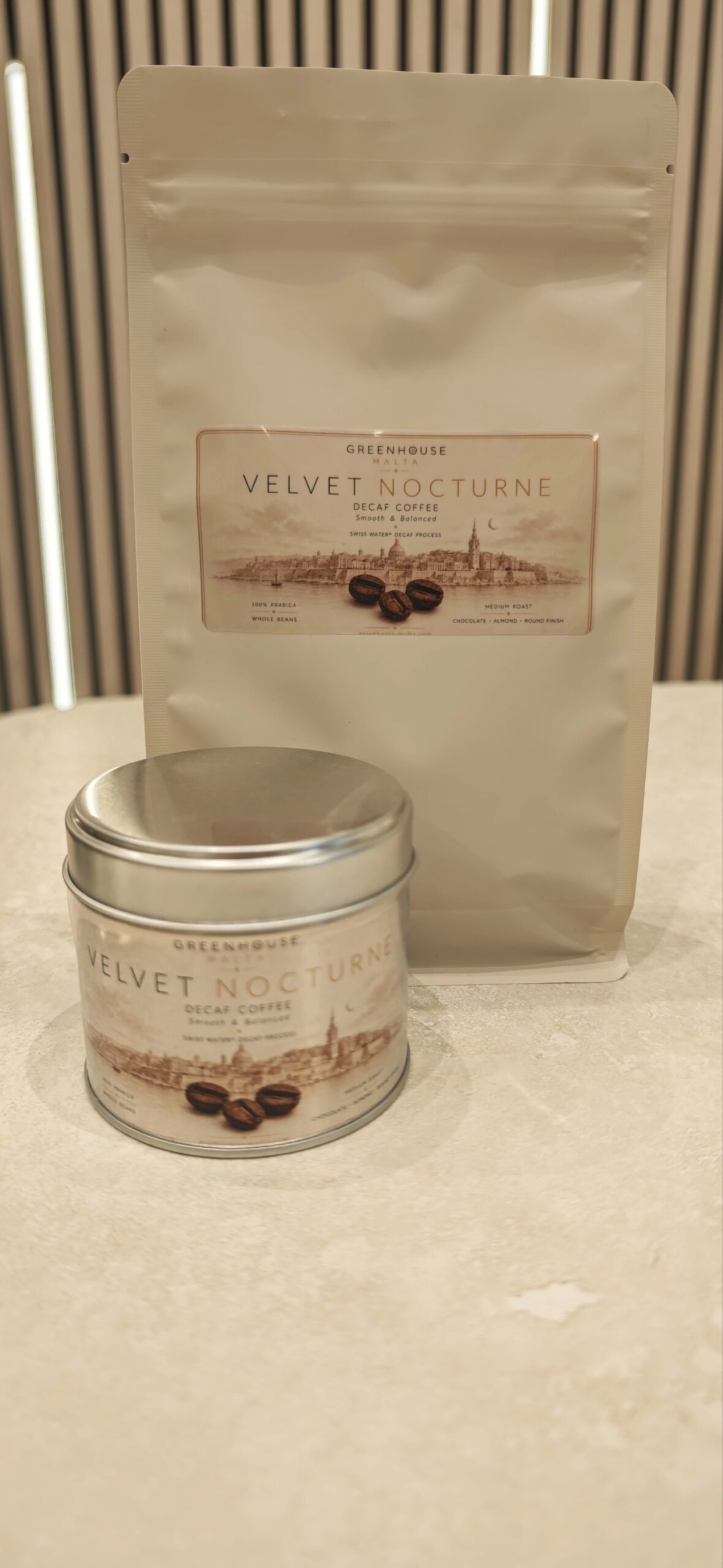
Fresh Coffee Makes a Difference
When people search for fresh coffee in Malta, they often focus entirely on which beans to buy.
But what happens to those beans after you bring them home matters too.
Coffee contains delicate aromatic compounds that change over time. Air, heat, moisture and light can all affect the way your coffee develops after opening.
Proper storage helps you protect the coffee you’ve paid for.
Keep Coffee Away from Air
Once a bag is opened, repeated exposure to air gradually affects the coffee.
Keep your beans in their original resealable packaging if it provides a good barrier, or transfer them to an appropriate airtight coffee container.
The important thing is reducing unnecessary exposure.
Don’t leave the bag permanently open simply because you’re going to make another espresso tomorrow.
Your coffee doesn’t need ventilation. It isn’t a houseplant.
Protect Coffee from Heat
Coffee should be kept away from excessive heat.
That beautiful space directly beside your oven or on top of your espresso machine may therefore be one of the least useful places to store it.
Choose a cool and stable location instead.
A cupboard away from major heat sources is often perfectly adequate.
Keep It Away from Direct Sunlight
Transparent containers can look beautiful on a kitchen counter.
Coffee, regrettably, doesn’t care about your interior design.
Light can contribute to deterioration, so opaque packaging or storage away from direct sunlight is preferable.
Moisture Is the Enemy
Coffee should remain dry.
Avoid storing beans where they are repeatedly exposed to steam or humidity.
Always use a dry scoop and close the packaging properly after use.
This becomes particularly relevant around kettles, moka pots and espresso machines where steam is common.
Whole Beans Stay Aromatic Longer
One of the easiest ways to preserve more aroma is to keep coffee as whole beans until you need it.
Grinding dramatically increases the exposed surface area of the coffee.
That is useful when you’re about to brew it.
It’s considerably less useful when you’re planning to leave it sitting around for weeks.
Whenever practical, grind immediately before brewing.
Should You Keep Coffee in the Fridge?
For everyday coffee, repeatedly taking a container in and out of the refrigerator can introduce temperature changes and potential moisture issues.
A cool, dry and dark cupboard with suitable packaging is generally much simpler for coffee you’re actively using.
The important principle is stability and protection from coffee’s main enemies: air, heat, moisture and light.
Buy an Amount You Can Actually Drink
A gigantic bag isn’t automatically better value if the final portion sits forgotten for months.
Think about how much coffee you realistically consume and choose your quantity accordingly.
Buying manageable quantities means you can enjoy the coffee while its aromatic character is still at its best.
Grind for Your Brewing Method
Freshness isn’t the only consideration.
The correct grind matters enormously too.
Espresso requires a very different grind from filter coffee, and moka has its own requirements.
If you buy ground coffee, choose a grind suited to your actual preparation method rather than a generic grind expected to perform miracles everywhere.
Fresh Coffee Selected by Coffee Malta
At Coffee Malta, freshness is part of the experience rather than a marketing decoration.
We select coffees with different profiles for espresso, moka, filter and everyday brewing, with whole-bean and grinding options depending on how you prepare your coffee.
Explore Velvet Rosa, Honduras, Terra Cacao, Fumo Alto and our decaf Velvet Nocturne to find the profile that suits your cup.
Then store it properly.
Buying beautiful coffee and murdering it slowly in an open bag above the cooker would be a tragic conclusion to an otherwise promising relationship. 😂